Logo
HI-FIBRE 115 – Technology combining Clean Label with functionality HI-FIBRE 115 – Technology combining Clean Label with functionality
Written by Damian Pazia
06.02.2026

HI-FIBRE 115 – Technology combining Clean Label with functionality

Contact person

HI-FIBRE 115 – Technology combining Clean Label with functionality

Damian Pazia

Sales & Product Manager

IMPAG Chemicals Poland Sp. z o.o.

+48 739 090 401E-mail LinkedIn

In today's food industry, the challenge lies in finding a balance between a Clean Label and high technological functionality. Traditional fibers often fail in terms of water binding, while hydrocolloids (such as guar gum or CMC) extend the ingredient list with "E" numbers.

Challenges of modern production – Why traditional methods fail?

In an era of growing consumer awareness, the term Clean Label has ceased to be just a marketing slogan and has become a market standard. Consumers scrutinize labels, avoiding chemical-sounding ingredients like modified starches or synthetic gums (E412, E466).
At the same time, manufacturers face three key challenges:

  1. Syneresis and moisture loss: Traditional insoluble fibers act only like a "sponge" – they hold water mechanically, which easily escapes during heat treatment or freezing, leading to product dryness.
  2. Structural degradation in frozen foods: Freezing processes destroy the product matrix, causing weight loss and deterioration of texture after thawing.
  3. Cost pressure: Rising raw material prices force the search for solutions that increase yield without losing premium quality.
     

HI-FIBRE 115 is the answer to these needs – an innovative blend of natural plant fibers (potato, psyllium, and bamboo) that acts as an advanced texturizing system. HI-FIBRE 115 technology combines a clean label with functionality previously reserved for advanced food chemistry.


More information


HI-FIBRE 115 - Key technological advantages:

  • Extreme water binding (1:20): Unlike standard fibers that bind water at a 1:2 or 1:3 ratio, HI-FIBRE 115 creates an irreversible gel structure, binding up to 20 parts of water to 1 part of the product.
  • Cryoprotective effect: By forming microcrystals, the product protects the food structure during freeze-thaw cycles, preventing water loss (syneresis).
  • Gluten support: It adds plasticity to the gluten matrix, which is crucial in frozen and long-shelf-life bakery products.
  • Clean Label: An allergen-free product, declared simply as "plant fiber." It allows for the replacement of modified starches and chemical stabilizers.
     

Practical applications:

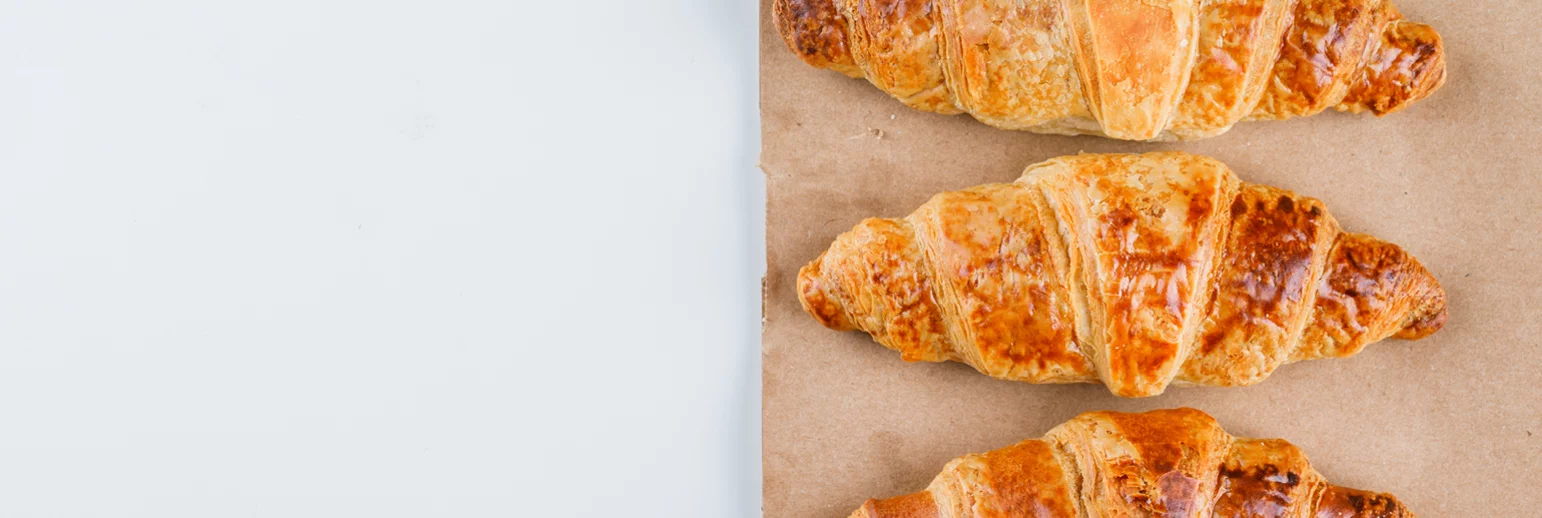
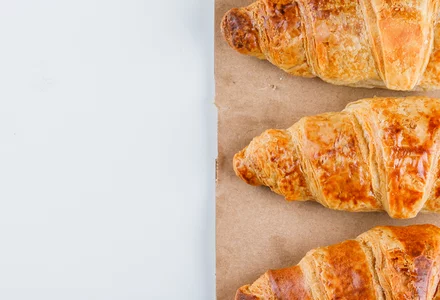
  • Bakery (traditional and pastry): Improving volume, softness, and freshness (tortillas, croissants, sponge cakes).
  • Gluten-free products: Building structure and eliminating the dryness typical of GF bread.
  • Fillings and sauces: Thermal stabilization – preventing filling "leakage" during baking.
  • Gnocchi and pasta: Improving texture and reducing stickiness.
  • Vegan products: Excellent fat replacer and thickener in dairy analogues.


Business value (ROI):

  • Increased Yield: Higher water retention means a higher mass of the finished product.
  • Low dosage: Effective at doses as low as 0.2% – 1.0%.
  • Waste reduction: Longer shelf life and better freezing stability.


Technological recommendations:

To fully utilize the gelling potential, we recommend activating the fiber by adding water at a minimum ratio of 1:10 before adding it to the remaining dry ingredients.

Want to test HI-FIBRE 115 in your recipe?

Contact us to receive samples and full technical documentation.

You might also be interested in

18.06.2025

Stevia - natural sugar alternative

Sweeteners are on everyone’s lips. Along with the desire to reduce sugar, there is growing demand for sugar substitutes.

11.04.2025

Clean Label texturants: Clean Label starches and pregelatinized flours

Clean Label products have long since broken out of their niche status, and consumers are expecting short ingredient lists that don't contain E-numbers.

23.04.2024

Discovering Lecithin: A Versatile Natural Ingredient

Lecithin is obtained from the oil fractions of sunflower, soya bean and rapeseed oil and has special physico-chemical properties.